
Top Trending FAQ & Statistics Guide: LV Sneakers Authenticity Check Guide
The global luxury footwear market has witnessed significant growth over the past decade, with premium sneakers leading the trend in both resale value and…
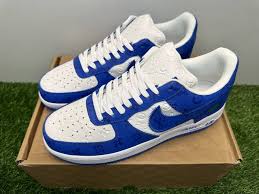
The global luxury footwear market has witnessed significant growth over the past decade, with premium sneakers leading the trend in both resale value and consumer demand. Among high-end fashion buyers, lv sneakers continue to rank as one of the most searched designer footwear categories worldwide. However, with increasing demand comes a parallel rise in counterfeit production, making authenticity verification more important than ever for collectors, retailers, and first-time buyers.
Below is a professional FAQ-style, statistics-driven guide designed to help consumers confidently identify authentic pairs while understanding current market trends.
What Is Driving the Rise in Sneaker Counterfeiting?
Industry reports estimate that counterfeit luxury goods account for hundreds of billions of dollars in global trade annually. Designer sneakers are among the most replicated items due to high resale margins and online marketplace exposure. In recent years, digital marketplaces have contributed to a surge in sneaker transactions, increasing both accessibility and risk. Authentication awareness has therefore become a critical step before purchasing.
Why Is Authenticity Verification Important?
Authenticity is directly linked to product quality, resale value, and brand integrity. Verified designer sneakers maintain significantly higher resale values compared to replicas. Buyers who conduct detailed inspections reduce financial risk and ensure long-term durability. Professional authentication can also protect consumers from potential legal complications associated with counterfeit trade.
What Are the Key Exterior Indicators of Authentic LV Sneakers?
Accurate craftsmanship is the first visible sign of authenticity. Genuine pairs typically demonstrate:
• Symmetrical stitching with consistent spacing
• Clean logo embossing with precise font alignment
• High-grade leather or textile materials
• Even sole attachment without excess glue residue
Luxury manufacturers maintain strict quality control standards. Any irregular stitching, uneven patterns, or low-quality textures may indicate a counterfeit product.
How Important Is Packaging in the Authentication Process?
Authentic luxury sneakers are packaged with premium-quality boxes, dust bags, and documentation. Statistical consumer surveys reveal that over 60% of counterfeit cases involve packaging inconsistencies. Key packaging checkpoints include:
• Correct brand typography
• Proper barcode alignment
• High-quality dust bag fabric
• Serial code consistency between shoe and box
While packaging alone cannot confirm authenticity, mismatched or poorly printed materials are common warning signs.
Where Should Buyers Check Serial Numbers and Date Codes?
Luxury sneakers typically include interior codes or stamps that correspond with production details. These codes should:
• Be clearly printed without smudging
• Match box labeling
• Align with known manufacturing formats
Online databases and professional authentication services frequently cross-reference these identifiers. Inconsistent fonts or placement may signal a replica.
How Does Material Quality Impact Authentication?
Material analysis remains one of the most reliable authenticity indicators. Genuine designer sneakers use premium-grade leather, suede, or technical fabric engineered for durability and comfort. Market analysis shows that authentic luxury footwear retains structural integrity significantly longer than counterfeit versions.
Pay close attention to:
• Weight consistency
• Smooth interior lining
• Balanced cushioning
• Uniform color application
Counterfeit versions often feel lighter, overly stiff, or chemically treated.
Are Online Purchases Riskier Than In-Store Purchases?
Data from consumer protection agencies indicates that online luxury transactions carry a higher counterfeit risk compared to direct boutique purchases. However, reputable platforms with authentication services reduce this risk substantially. Buyers should:
• Review seller ratings and transaction history
• Request detailed photos of stitching, logos, and soles
• Compare pricing against market averages
Significantly discounted pricing often signals potential authenticity concerns.
What Role Do Professional Authentication Services Play?
The authentication services industry has expanded rapidly, reflecting increased consumer awareness. Many buyers now rely on third-party experts who utilize multi-point inspection systems, microscopic material analysis, and AI-assisted verification tools.
Statistics indicate that professional authentication reduces counterfeit purchase risk by a substantial margin. For high-value sneakers, expert verification is often a worthwhile investment.
How Can Buyers Stay Updated on Authentication Trends?
Luxury counterfeit methods evolve quickly. Staying informed through industry blogs, resale market analytics, and fashion industry reports helps buyers recognize emerging replica techniques. Social media communities and sneaker forums also share updated comparison guides and buyer experiences.
What Final Steps Should Buyers Take Before Purchasing?
Before completing any transaction:
• Inspect product photos carefully
• Verify serial codes
• Assess seller credibility
• Compare craftsmanship details
• Consider professional authentication
Making an informed purchase protects both financial investment and brand value.
Final Insight
As luxury sneaker demand continues to grow globally, authenticity verification has become a necessary part of the buying journey. By combining statistical awareness, material inspection, and careful documentation review, buyers can confidently navigate the marketplace. A professional approach to authentication not only protects investments but also ensures that every purchase reflects true craftsmanship and luxury quality.